

Polymaker Fiberon PETG-ESD Black 1.75mm 1kg Filament Spool
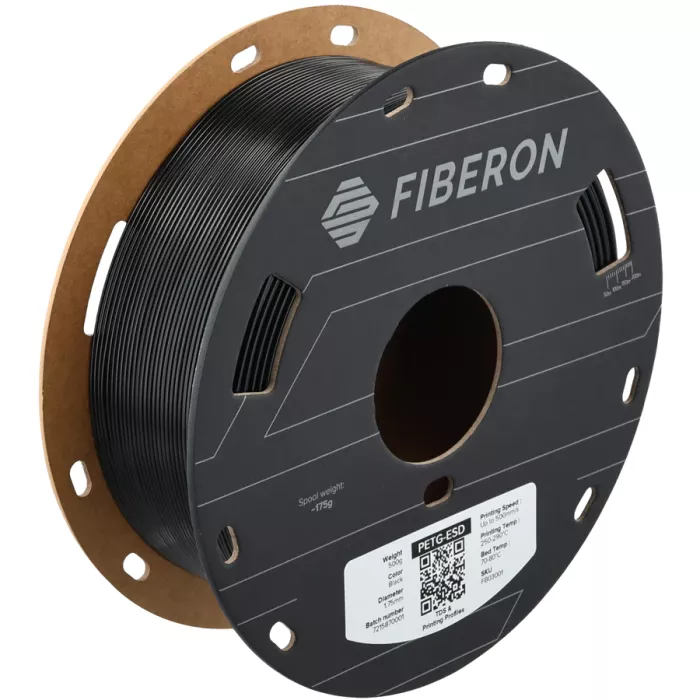
SKU:
3DPM0278
Color:
Black
Size:
1kg
Availability:
Out of stock
Due to inconsistent global supply schedules, we are not accepting backorders at this time. To ensure you receive the most accurate information, we recommend subscribing to our Stock Alert List.
Mix & Match Bambu Lab, Creality and PolyMaker Filaments!
| 2 - 3 Units | 4 - 5 Units | 6 - 9 Units | 10+ Units |
| 5% OFF | 10% OFF | 15% OFF | 22% OFF |
Description
FAQ
Interactive carousel showing related products. Use navigation buttons or swipe to browse items.
Customers who bought this item also bought
Write Your Own Review
Only registered users can write reviews. Please Sign in or create an account